
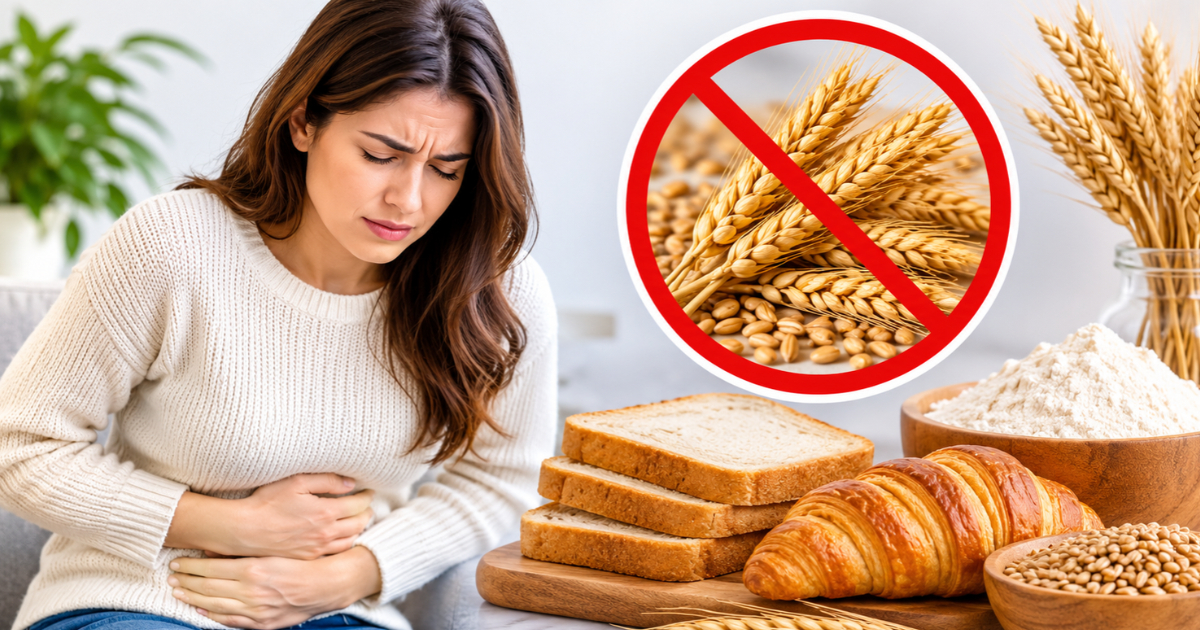
Gluten intolerance is a condition in which a person experiences symptoms after consuming gluten, a protein found in wheat, barley, and rye. It is often confused with celiac disease and wheat allergy, but these are different conditions. Many people live with symptoms for years without realizing that gluten-containing foods may be contributing to their discomfort.
Many people search for gluten allergy symptoms, but gluten intolerance, celiac disease, and wheat allergy are not the same. Symptoms can be mistaken for other digestive problems. Common signs include bloating, diarrhea, fatigue, headaches, and joint pain. They may appear within hours or days of eating gluten. Unlike celiac disease, non-celiac gluten sensitivity does not cause the same autoimmune damage to the small intestine. A wheat allergy, on the other hand, can cause allergic reactions such as hives or, in severe cases, anaphylaxis. These differences can make it difficult to identify the cause of symptoms without medical guidance.
Gluten is found in many everyday foods, from bread and pasta to sauces, soups, and some drinks. The good news is that gluten-free alternatives such as quinoa, rice, and almond flour are widely available. More restaurants and food brands are also offering gluten-free options.
Before you cut gluten out of your diet, speak to your doctor. Celiac disease should be ruled out first because testing is most reliable while you are still eating gluten.
Celiac Disease vs. Gluten Intolerance
When exploring gluten intolerance vs celiac disease, it is important to understand how these two conditions differ. Both can cause symptoms after eating gluten, but they affect the body in different ways.
Celiac disease is an autoimmune disorder in which eating gluten triggers the immune system to attack the lining of the small intestine. Over time, this reaction can damage the intestine and interfere with nutrient absorption. Gluten intolerance, often called non-celiac gluten sensitivity, can cause symptoms such as bloating, abdominal pain, and fatigue without the autoimmune reaction and intestinal damage associated with celiac disease.
Some people also search for celiac allergy, but this is not a medically recognized condition. Celiac disease and wheat allergy are different conditions. Doctors may recommend blood tests and, in some cases, an intestinal biopsy. Celiac testing should be completed while you are still eating gluten.
Is Gluten Intolerance the Same as a Gluten Allergy?
Many people use the term gluten allergy, but gluten intolerance is not the same as a wheat allergy. Gluten intolerance is often used to describe symptoms after eating gluten, but it does not identify the cause. Celiac disease is an autoimmune condition triggered by gluten, while wheat allergy is an allergic reaction to wheat; non-celiac gluten sensitivity is another possible explanation for symptoms.
If you wonder what a gluten allergy feels like, a wheat allergy may cause hives, itching, swelling, stomach symptoms, or breathing problems after eating wheat. A clinician can help distinguish among them because their evaluation and management differ.
Gluten Intolerance Symptoms and Testing
Symptoms of gluten intolerance in adults may include digestive discomfort, but symptoms alone cannot confirm a diagnosis. A gluten intolerance test is not a single, definitive test for every condition: clinicians may evaluate for celiac disease and wheat allergy, then consider other explanations. If celiac disease is a possibility, do not remove gluten before discussing testing with a clinician, since doing so may affect test results.
Gluten Intolerance Foods to Avoid
Foods to avoid depend on the diagnosis. Someone with celiac disease needs to avoid gluten, commonly found in wheat, barley, and rye; someone with a wheat allergy needs to avoid wheat, but that does not automatically mean avoiding every gluten-containing grain. Ask a clinician or registered dietitian what to avoid and how to meet nutritional needs.
People looking for balanced snack ideas can also explore these healthy snacks for weight loss.
Symptoms of Gluten Intolerance
Symptoms can vary from person to person and may appear after eating foods containing gluten. Commonly reported symptoms include:
- Abdominal pain, bloating, gas, or diarrhea
- Constipation or nausea
- Headaches or feeling unusually tired
- Joint or muscle aches
- A skin rash or itchy skin
These symptoms can have many causes and don’t confirm gluten intolerance. If you’re concerned, talk with a health care professional before removing gluten from your diet, as going gluten-free can affect the accuracy of celiac disease testing.
Symptoms of Gluten Intolerance in Females
Possible symptoms in females include:
- Digestive: bloating, gas, abdominal pain, diarrhea, constipation, or nausea
- Whole-body: fatigue, headaches, joint or muscle aches, or difficulty concentrating
- Skin-related: an itchy, blistering rash can occur with dermatitis herpetiformis, a skin condition associated with celiac disease
These symptoms can have causes other than gluten, and they are not unique to females. If you suspect a connection, talk with a health care professional; ask about celiac testing before removing gluten, since a gluten-free diet can affect test results.
Causes of Gluten Intolerance
Gluten intolerance is often used to describe symptoms after eating gluten. It can refer to different conditions, so symptoms alone do not identify the cause. Celiac disease is an autoimmune condition in which eating gluten damages the small intestine. Wheat allergy is an immune reaction to wheat, while non-celiac gluten sensitivity describes symptoms linked to gluten when celiac disease and wheat allergy have been ruled out. The exact cause of non-celiac gluten sensitivity is not fully understood.
Digestive symptoms such as bloating, abdominal pain, or changes in bowel habits can also have other explanations, including irritable bowel syndrome (IBS) or other food sensitivities. Some people who feel better after avoiding wheat may be reacting to other components of wheat or to foods they commonly eat with it, rather than gluten itself. Gluten-free foods may help someone with a diagnosed condition, but avoiding gluten is not a reliable way to determine what is causing symptoms.
Women may experience these conditions, but being a woman alone does not explain gluten-related symptoms. If symptoms persist, a health care professional can help assess possible causes. It is important to seek advice before starting a gluten-free diet, because avoiding gluten can affect the accuracy of tests for celiac disease.
How doctors diagnose gluten intolerance
Gluten intolerance may refer to celiac disease or non-celiac gluten sensitivity, which require different evaluation methods. Symptoms alone cannot confirm either condition.
For suspected celiac disease, a doctor may order a blood test for gluten intolerance that checks for certain antibodies. Testing is most useful while you are still eating gluten, so ask your doctor before changing your diet. If the blood test suggests celiac disease, the doctor may recommend an intestinal biopsy to help confirm it. There is no single test that confirms non-celiac gluten sensitivity; a clinician may assess symptoms and rule out celiac disease and wheat allergy first.
Keep track of symptoms and foods you eat, and discuss them with a health care professional before avoiding gluten. This helps guide appropriate testing and can clarify which foods or conditions may be involved.
How to Test for Gluten Intolerance at Home
There is no reliable at-home test that can confirm gluten intolerance. Mail-in kits may test for markers, but results alone cannot diagnose celiac disease or show that gluten is causing symptoms. Avoid using a home result to make major diet changes without discussing it with a health care professional.
A blood test for gluten intolerance is not a single definitive test. For suspected celiac disease, a clinician commonly orders a tissue transglutaminase IgA test along with a total IgA test, then may recommend further testing. Keep eating gluten before testing unless your clinician tells you otherwise, because avoiding it can affect results. If celiac disease is ruled out, a clinician can help assess non-celiac gluten sensitivity, which has no validated blood test and is evaluated by considering other causes and tracking symptoms during a supervised elimination and reintroduction.
Conclusion
Gluten-related symptoms can have different causes, so avoiding gluten on your own may not provide a clear answer. If you suspect gluten intolerance, keep a record of what you eat and any symptoms, then discuss it with a healthcare professional before making major dietary changes. A thoughtful evaluation can help guide your next steps.
Frequently Asked Questions About Gluten Intolerance
How do I know if I am gluten intolerant?
People often ask, what does gluten intolerance feel like? It may cause bloating, stomach discomfort, gas, or changes in bowel habits after eating gluten. However, these symptoms can have other causes. A healthcare provider can check for celiac disease and wheat allergy before considering non-celiac gluten sensitivity.
Which foods are high in gluten?
Foods made with wheat, barley, and rye are common sources of gluten. These include bread, pasta, breakfast cereals, crackers, cakes, cookies, pizza crust, and many baked goods. Gluten can also be found in some sauces, soups, and processed foods, so check food labels carefully.
What are 10 signs that you might be gluten intolerant?
Ten possible signs of gluten intolerance include:
- Bloating
- Gas
- Abdominal pain
- Diarrhea
- Constipation
- Nausea
- Headaches
- Fatigue
- Joint or muscle pain
- Skin problems or itching
These symptoms do not confirm gluten intolerance because other conditions can cause similar problems. Talk to a healthcare provider if they occur regularly.
What does a gluten tummy look like?
A gluten tummy usually refers to bloating or swelling in the abdomen after eating foods containing gluten. Your stomach may look larger or feel tight and uncomfortable. However, there is no specific belly shape that identifies gluten intolerance. Bloating can also result from other digestive conditions, food sensitivities, or eating habits.