
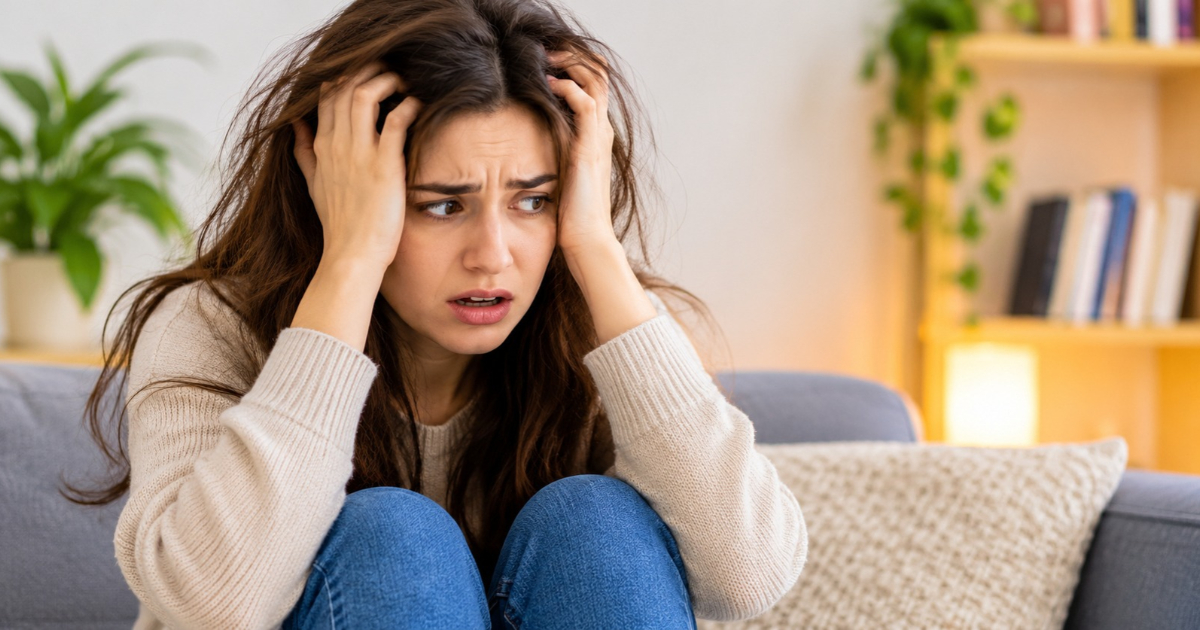
When a wave of fear, tension, or physical discomfort interrupts your day, it can be hard to know whether you are having an anxiety attack or a panic attack. This guide explains common signs, how an anxiety attack may build around an identifiable stressor, and how sleep loss or emotional stress can contribute to feeling overwhelmed. You will also learn how anxiety attacks can differ from panic attacks and when it may help to seek professional support.
What Is an Anxiety Attack
An anxiety attack is a period of intense worry or fear that may come on gradually or feel sudden. During these episodes, the body’s fight-or-flight response may become activated. It can bring physical symptoms such as a racing heart, tense muscles, sweating, dizziness, or shortness of breath, along with thoughts that are difficult to control. The experience varies from person to person, and the phrase “anxiety attack” is commonly used to describe these episodes rather than as a formal diagnosis.
An episode of intense anxiety can be linked to a stressful situation, ongoing worry, or no obvious cause. It is not the same as a panic attack, though people may use the terms interchangeably. If episodes are frequent, interfere with daily life, or cause concern about physical symptoms, a health professional can help assess what is happening and discuss support.
How to Calm an Anxiety Attack
When an anxiety attack starts, focus first on helping your body feel safer. Sit somewhere steady if you can, loosen anything tight, and place both feet on the floor. Breathe gently, letting your exhale last a little longer than your inhale. Avoid forcing deep breaths; slow, comfortable breathing is easier to maintain.
Bring your attention to what is around you. Name five things you see, four things you feel, and three things you hear, or describe an ordinary object in detail. Remind yourself that intense anxiety can pass, and take one small step at a time, such as sipping water or contacting someone you trust.
If this is your first episode, symptoms feel different from usual, or you are unsure what is causing them, seek medical advice. Get emergency help for severe or new symptoms such as chest pain or difficulty breathing, since these can have causes other than anxiety. If episodes keep returning, a health professional can help you explore support and treatment options.
Anxiety Attack vs. Panic Attack
The difference in panic attack vs anxiety attack is mainly how symptoms begin and peak. A panic attack usually comes on suddenly, with an intense surge of fear or discomfort that reaches its height within minutes. Anxiety attack is a common phrase, not a formal diagnosis, and often describes anxiety that builds in response to stress or worry. In an anxiety vs panic attack comparison, the experience can overlap, but anxiety may last longer while panic tends to feel more abrupt.
Causes can include stress, fear, a difficult situation, or an anxiety condition; sometimes a panic attack occurs without an obvious trigger. Symptoms may include a racing heart, sweating, trembling, shortness of breath, dizziness, chest discomfort, and a sense of losing control. Panic symptoms can feel frightening, but similar symptoms can also have medical causes, so seek urgent care for new or severe chest pain or breathing trouble.
Some people experience repeated panic attacks and become afraid of having another episode.After experiencing repeated panic attacks, some people may avoid certain places or activities because they worry another attack could happen.
Treatment depends on the cause and frequency of symptoms. A health care professional can assess what is happening and discuss options such as therapy, including cognitive behavioral therapy, and medication when appropriate. Regular sleep, limiting caffeine, and practicing slow breathing may help some people manage anxiety, but they do not replace professional care when symptoms persist or interfere with daily life.
What Causes an Anxiety Attack?
An anxiety attack can arise from intense stress or an anxiety disorder, but physical health conditions and substance use can also cause or worsen anxiety like symptoms. Possible contributors include:
- Heart disease, diabetes, or thyroid problems, which may produce symptoms that feel like anxiety.
- Breathing conditions such as asthma and COPD can cause breathing difficulties, which may increase feelings of fear or anxiety.
- Drug misuse or withdrawal, including withdrawal from alcohol or anti anxiety medications. Stopping prescribed medication suddenly can be risky, so ask a health professional how to make changes safely.
- Chronic pain or irritable bowel syndrome, which can add ongoing physical stress.
- Rare tumors that produce certain fight or flight hormones.
- Pressure at work or school, job issues, or financial problems
- Relationship difficulties, disrespect, divorce, or family conflict
- Parenthood and other major changes in life situations
- Health concerns or worries about losing mental function
- Overthinking, frightening imagined situations, or uncertainty
- Grief, conflict, or feeling unable to manage daily demands
- Family history of anxiety disorders.
- Past traumatic experiences or difficult childhood events.
Because these causes can overlap, new, severe, or unusual symptoms should not automatically be assumed to be anxiety.
Anxiety Attack Symptoms
Anxiety can affect the body, thoughts, sleep, and daily choices. Common symptoms include:
- Feeling nervous, restless, or tense
- A sense of impending danger or panic
- Increased heart rate or rapid breathing
- Sweating or trembling
- Feeling weak or tired
- Trouble concentrating or sleeping
- An upset stomach
- Difficulty controlling worry
- Avoiding situations that cause anxiety
- Unintentional weight loss due to reduced appetite or changes in eating habits.
Anxiety disorders take different forms. Common types include:
- Generalized anxiety disorder: Persistent worry about different areas of everyday life.
- Panic disorder: Recurrent panic attacks that involve sudden, intense fear.
- Social anxiety disorder: Feeling very anxious about being judged, criticized, or embarrassed around others.
- Specific phobias: An overwhelming fear of certain objects, places, or situations.
- Agoraphobia: Anxiety about being in places or situations where getting away or finding help may be challenging.
- Separation anxiety disorder: Intense worry about being away from a loved one or someone a person depends on.
- Selective mutism: Not speaking in certain social settings, even though the person speaks in other settings.
- Anxiety due to a medical condition: Anxiety linked to a medical condition.
- Substance related anxiety: Anxiety linked to substance use or stopping substance use.
Anxiety Treatment
Anxiety treatment can combine psychotherapy with practical strategies for daily life. Cognitive behavioral therapy (CBT) helps people notice patterns in their thoughts and behavior and practice more helpful responses. Exposure therapy, often used for anxiety related to specific fears or situations, involves gradually facing those triggers in a planned and supportive way. A therapist can help determine which approach fits a person’s needs.
Self help and lifestyle strategies may complement professional care. Regular movement, a steady sleep routine, calming breathing exercises, and limiting caffeine if it worsens symptoms can be useful starting points. Some people also try home remedies such as herbal products, but these can have side effects or interact with medications, so check with a health care professional before using them.
If anxiety is disrupting daily activities or feels difficult to manage, a doctor or licensed mental health professional can discuss treatment options. Personal needs vary, and a professional can help create a plan that combines therapy, lifestyle changes, and other care when appropriate.
Final Thoughts
Anxiety attacks can feel overwhelming, but recognizing the symptoms of an anxiety attack can help you respond with more confidence. When one occurs, try a grounding or slow-breathing exercise and give yourself time to settle. If attacks keep happening or interfere with daily life, reach out to a health care professional to discuss treatment and support. Learning practical ways to calm an anxiety attack is a useful first step toward feeling more prepared.
FAQs
What are common anxiety attack symptoms in females?
Along with a racing heart, shortness of breath, and trembling, females often experience nausea, hot flashes, sudden fatigue, dizziness, and heightened emotional overwhelm, which can sometimes intensify due to hormonal changes during pregnancy, menstrual cycles, or menopause.
How long does an anxiety attack last?
An anxiety attack can last anywhere from a few minutes to several hours, depending on the person and what is causing the anxiety. Unlike panic attacks, which usually peak within minutes, anxiety may build gradually and last longer. If anxiety episodes happen frequently or interfere with daily activities, talk to a health care professional for guidance.
How can I get relief from anxiety?
You can get relief from anxiety by practicing slow breathing, getting regular exercise, maintaining a healthy sleep routine, and limiting caffeine. If anxiety continues or affects your daily life, talk to a health care professional about therapy or other treatment options.
How to accept anxiety and not fight it?
Acknowledge your anxious feelings without judging yourself or trying to force them away. Remind yourself that anxiety is a temporary feeling, focus on the present moment, and allow the feelings to pass while continuing with small daily activities.
How to Stop a Panic Attack?
Focus on slow, gentle breathing and move to a quiet place if possible. Use grounding techniques, such as naming five things you can see, to bring your attention back to the present.
How to Stop an Anxiety Attack?
Sit somewhere comfortable, breathe slowly, and remind yourself that the feelings will pass. Try grounding exercises, reduce noise around you, or contact someone you trust for support.