
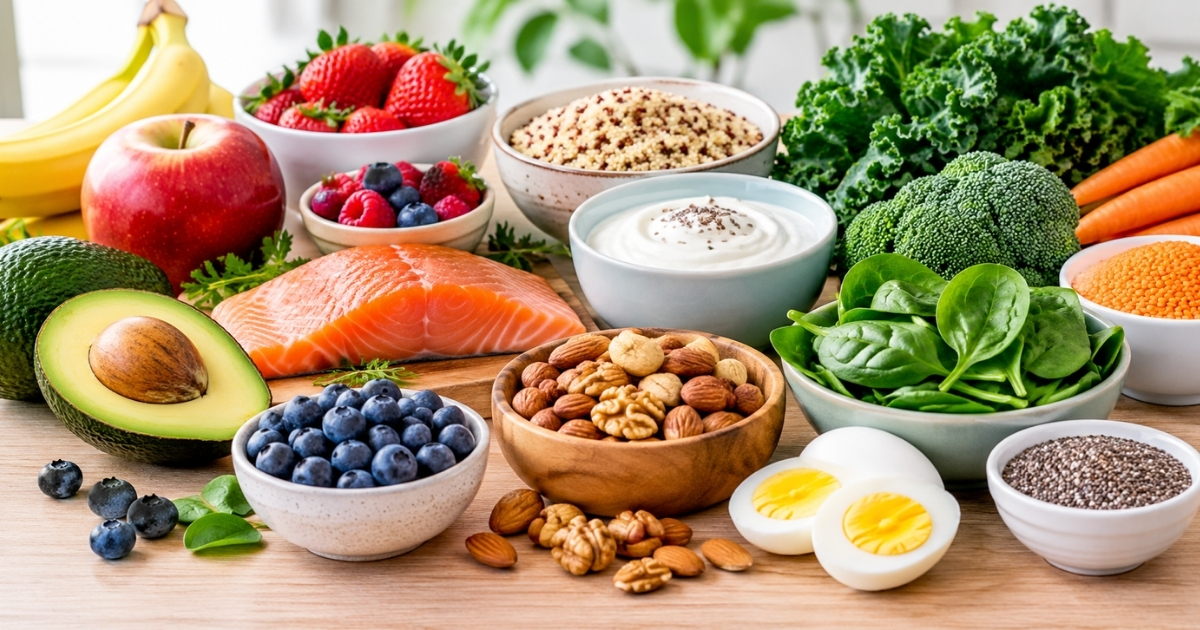
Choosing nutritious meals can be simple and affordable when you know which foods to include in your daily diet. With so many food trends and health tips online, it can be hard to know which choices are best for your body. The good news is that a healthy diet starts with simple foods you can find at your local grocery store.
From fresh fruits and vegetables to whole grains, nuts, and lean proteins, the right food to eat can help you feel better and support your overall health. In this guide, we will share 15 healthy foods to eat and explain how adding them to your daily meals can help you build a balanced diet.
Fish
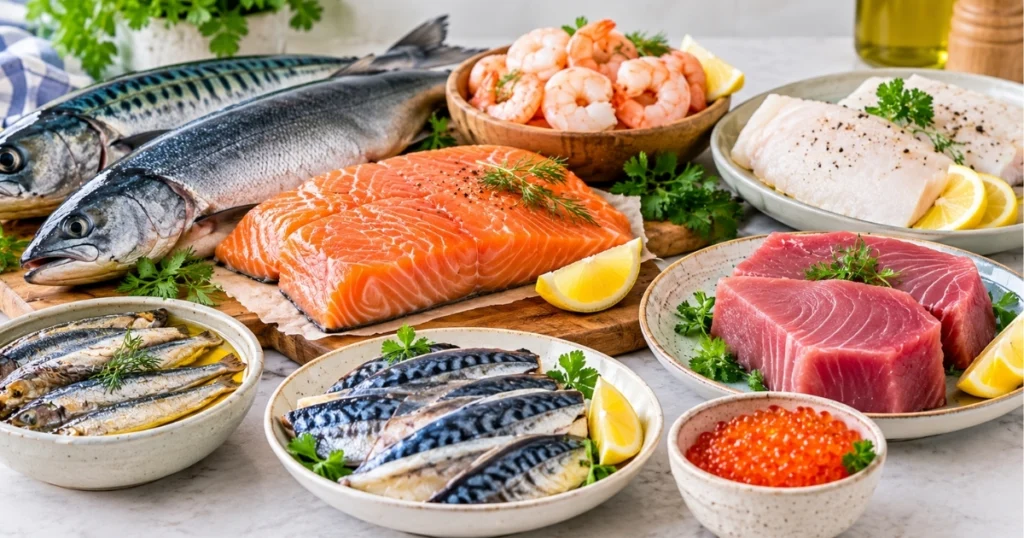
The best fish to eat, particularly fatty varieties such as salmon, mackerel, and sardines, provide plenty of omega-3 fatty acids to support overall health. These essential fats are important for heart health and have been linked to reduced inflammation, improved brain function, may help support cancer prevention, and even enhanced mood.
Fatty fish are also a good source of vitamin D and vitamin B12. Vitamin D helps regulate calcium and phosphorus levels, supporting strong bones and a healthy immune system, while vitamin B12 is essential for brain health and the production of red blood cells
Broccoli or any of the cruciferous vegetables
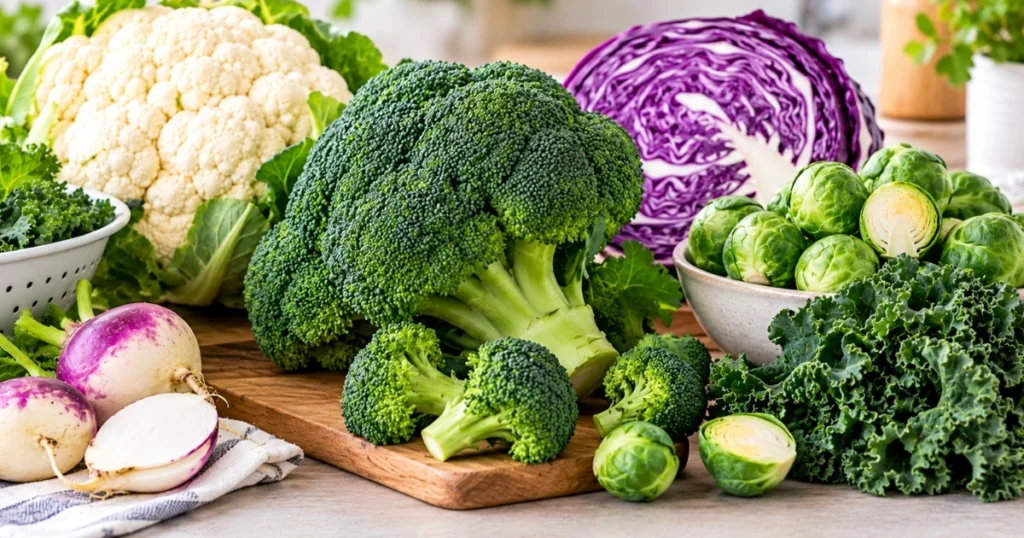
Broccoli, cauliflower, kale, and Brussels sprouts are some of the healthiest foods to add to your daily meals. These veggies offer a variety of nutrients, including dietary fiber and essential micronutrients, that help your body function properly and stay healthy. Broccoli also contains sulforaphane, a natural plant compound that researchers are studying for its potential role in protecting cells.
Adding a variety of cruciferous vegetables to your healthy diet is an easy way to get more nutrients and make your meals more balanced. You can enjoy them raw, roasted, or lightly steamed as a side dish or add them to salads, soups, and stir fries.
Beet Root
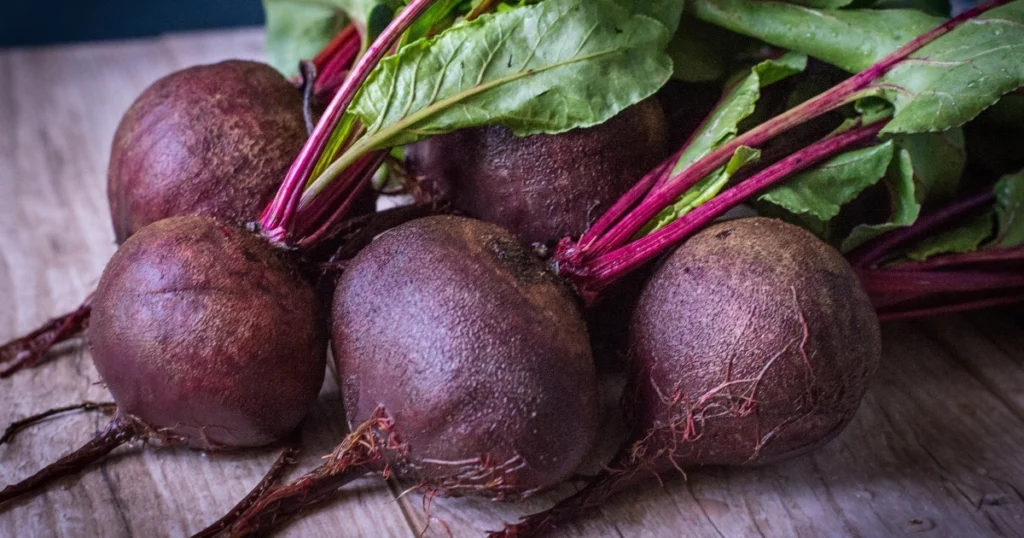
No matter which color you choose, whether it is deep red, golden yellow, or candy striped Chioggia beet, beets provide a variety of vitamins and minerals. They are rich in antioxidants that help protect the body from oxidative stress and support overall health.
Beets also contain fiber, which supports healthy digestion and gut health. Beetroot juice may help improve blood flow and lower blood pressure because it contains natural nitrates. Adding beets to your meals is a simple way to enjoy their health benefits as part of a balanced diet.
Spinach and Other Leafy Green Vegetables
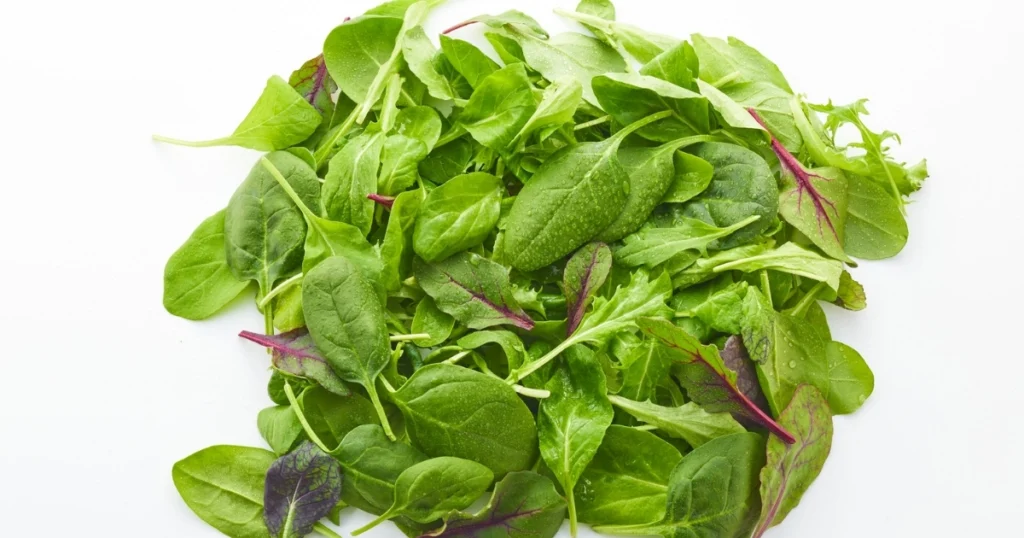
Spinach and other dark leafy greens are healthy additions to your daily meals. They supply important nutrients, including vitamins, minerals, and antioxidants, that help keep your body healthy and functioning well.2222 Spinach, kale, and Swiss chard contain lutein and zeaxanthin, two antioxidants that help protect eye health. Eating a variety of leafy greens can help support healthy vision as you age.
These vegetables are also rich in vitamins A, C, and K, along with minerals such as iron and calcium. Adding different greens to your meals is an easy way to get a wider range of nutrients.
You can blend spinach into smoothies, sauté it with garlic and olive oil, or add it to omelets, soups, pasta, and stir fries. Leafy greens are easy to prepare and offer plenty of ways to make your meals healthier and more flavorful.
Kale
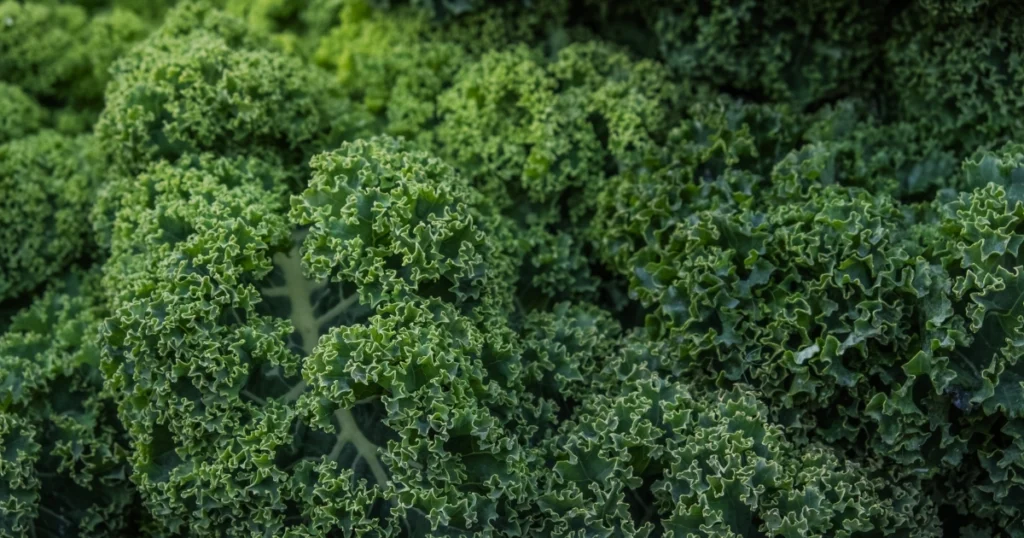
Kale is one of the most nutritious leafy green vegetables you can add to a healthy diet. It contains vitamins A, C, and K, along with fiber, folate, and antioxidants that support overall health. Vitamin C helps your body produce collagen, a protein that keeps skin firm and healthy. The antioxidants in kale also help protect cells from damage, making it a good choice for people looking to support healthy skin through their diet.
Kale is also a nutritious food to eat during pregnancy because it provides folate, which helps support the development of a baby’s brain and spinal cord. It also contains vitamin C and vitamin K, which play important roles in normal body functions. During pregnancy, wash fresh kale thoroughly before eating it, and include it as part of a balanced diet. You can also cook it with a little olive oil and garlic for extra flavor.
Peanut butter

Peanut butter is a tasty and convenient food that provides protein, healthy fats, vitamin E, and other important nutrients. Its protein and healthy fats can help you feel full for longer, making it a smart choice for people managing their weight. Choosing natural peanut butter with little or no added sugar and salt can be a good option for everyday meals.
You can spread peanut butter on whole grain toast, add it to oatmeal, or enjoy it with apples and bananas. It also works well in smoothies and homemade snacks, making it a useful option when looking for healthy snacks for weight loss. However, people with peanut allergies should avoid peanut butter because even small amounts can trigger a serious allergic reaction.
Apples
Rich in dietary fiber, vitamins, and antioxidants, these fruits come in a variety of types, each offering unique health benefits. Granny Smith apples, with their tartness, are not just delicious but also low in calories, making them an excellent choice for weight management.
Avocados
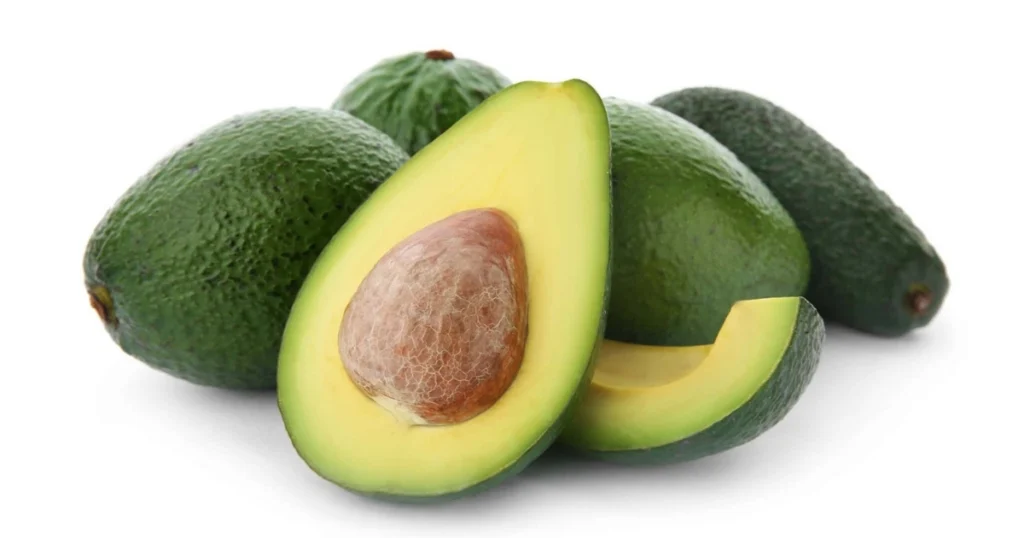
Full of monounsaturated fats, avocados support heart health by lowering bad cholesterol levels. This creamy fruit is also packed with essential nutrients, including potassium, which helps regulate blood pressure and reduce the risk of stroke.
Adding avocados to your daily diet can improve the absorption of nutrients from other foods, particularly fat-soluble vitamins like A, D, E, and K. Avocados also provide vitamin C, which acts as a potent antioxidant, boosting your immune system and promoting healthy skin, while vitamin E contributes to cellular function and skin health. Vitamin K is important for blood clotting and bone health, and vitamin B6 is vital for brain development and function.
Bananas
A medium-sized banana contains about 105 calories, making it a low-calorie choice compared to many processed snacks. Most of these calories come from carbohydrates, including natural sugars that provide a quick source of energy. Bananas are also packed with essential vitamins and minerals, particularly potassium, which plays a crucial role in heart health and muscle function.
They are an excellent source of vitamin B6, which supports brain development and function. This vitamin also helps in the production of neurotransmitters like serotonin. In addition, a medium-sized banana contains about 3 grams of fiber, which supports healthy digestion and regular bowel movements. People who need to manage their blood sugar should keep an eye on portion size.
Blueberries
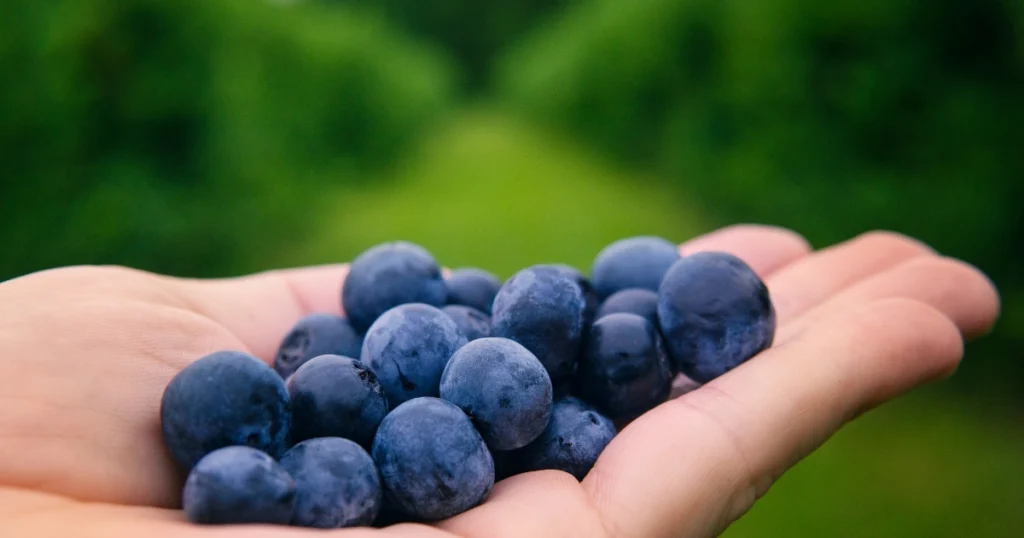
Rich in vitamins C and K, these small fruits offer a treasure trove of antioxidants, particularly anthocyanins, which give them their vibrant color. Regular consumption of blueberries has been linked to improved heart health, as they can help lower blood pressure and reduce LDL cholesterol levels.
Almonds
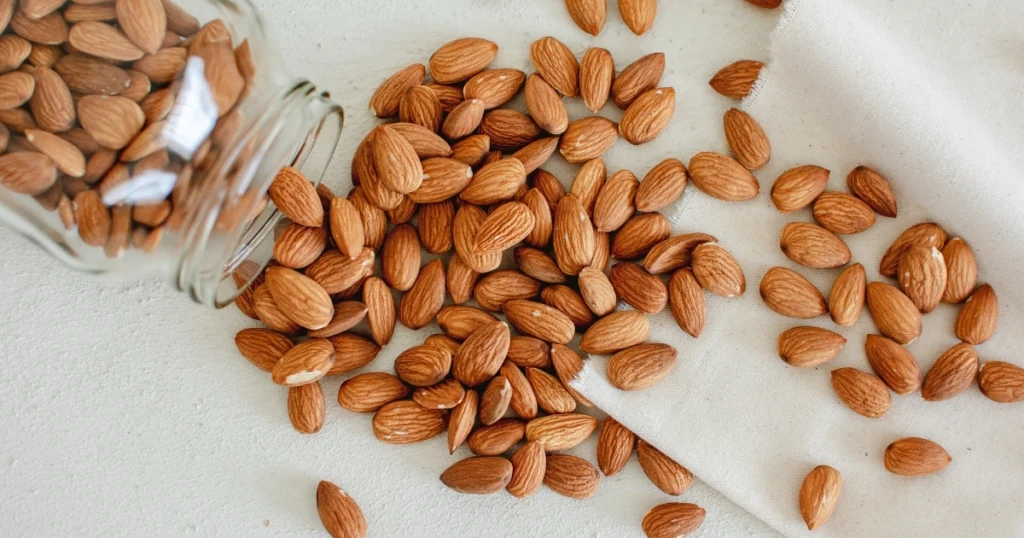
Almonds are rich in vitamin E, magnesium, healthy fats, and dietary fiber, which support skin health, muscle function, and digestion. Combining almonds with almonds milk can add variety to your daily diet. Almonds also provide calcium and phosphorus, which help maintain strong bones and teeth. Their fiber supports healthy digestion and gut health, making them a nutritious addition to a balanced diet.
Mangoes
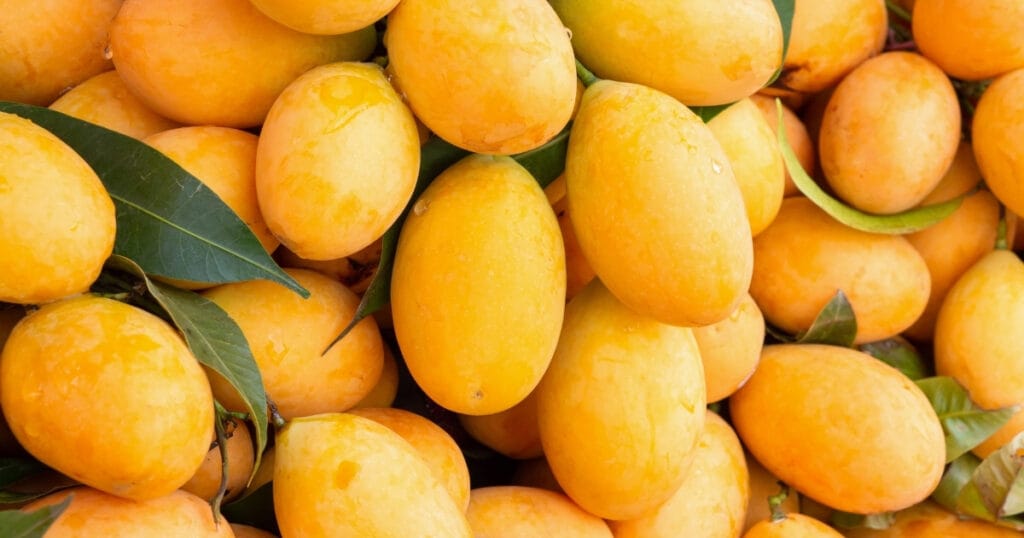
Mangoes are loved for their sweet, juicy flavor and nutritional benefits. The mango fruit is packed with vitamins A, C, and E, making it a powerhouse for boosting immune health and enhancing skin vitality.
Mediterranean Foods

Mediterranean foods include fresh fruits, vegetables, whole grains, fish, legumes, and healthy fats, particularly olive oil. Popular Mediterranean dishes often feature fresh ingredients, while Mediterranean salads combine vegetables, olives, and healthy dressings. You can also enjoy Mediterranean breakfast options with whole grains, fruits, nuts, and yogurt as part of a balanced diet.
Chocolate

With a higher concentration of cocoa solids, usually 70% or more, dark chocolate offers an intense, bittersweet taste. Its deep brown color reflects its rich cocoa content, which provides antioxidants and flavonoids. Dark chocolate can be a delicious healthiest food choice when enjoyed in moderation as part of a nutritious eating plan.
Quinoa
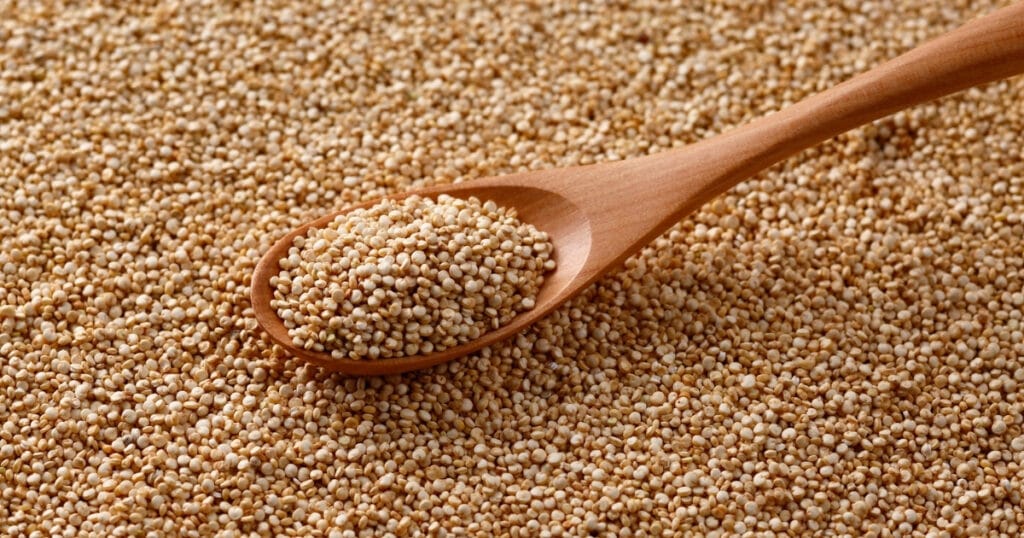
Rich in complete protein, quinoa provides all nine essential amino acids, making it an excellent choice for vegetarians and vegans. As a low-glycemic food, quinoa may help support stable blood sugar levels. With its nutty flavor and slightly chewy texture, quinoa works well in both savory and sweet dishes. Enjoy a warm quinoa salad with roasted vegetables and lemon dressing or a breakfast bowl topped with fresh berries and honey. From spicy quinoa tacos inspired by Mexican cuisine to comforting Indian-style quinoa khichdi, this versatile grain offers many delicious ways to support a healthy diet.
Legumes
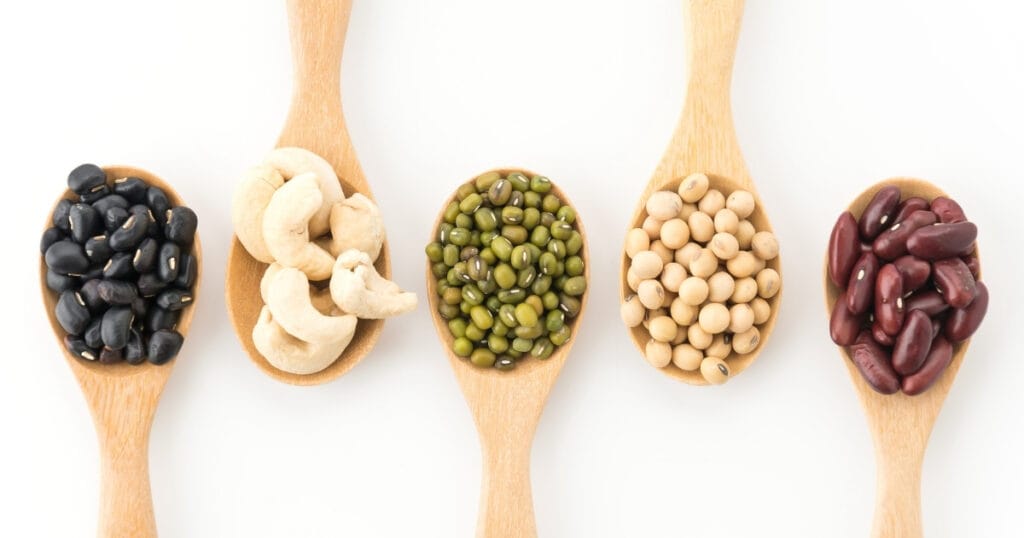
Legumes are packed with protein, fiber, and essential nutrients, making them a healthy food choice for vegetarians and vegans. Chickpeas, for example, can be turned into flavorful, nutritious snacks with simple ingredients. Try making homemade hummus with roasted peppers, fresh cilantro, or jalapeños for extra taste. You can enjoy it with fresh vegetables or use it as a creamy spread in sandwiches and wraps instead of mayonnaise.
Pickled vegetables

Pickled vegetables are flavorful healthy foods that add a tangy taste and crunchy texture to meals. Pickling veggies is a simple way to preserve vegetables such as cucumbers, carrots, and cabbage. When you ferment vegetables, beneficial bacteria can develop, creating fermented vegetables that may support gut health and digestion.
They can also provide vitamins, minerals, and antioxidants, depending on the ingredients and preparation method. Enjoy pickled vegetables with sandwiches, salads, wraps, or rice dishes for extra flavor. However, some varieties contain high amounts of sodium, so choose low-sodium options and eat them in moderation.
Final Thoughts on Healthiest Foods
Adding healthy foods to your daily meals is a simple way to support your overall health and well-being. From fresh fruits and vegetables to whole grains, legumes, and protein-rich foods, each option offers valuable nutrients your body needs. Try including a variety of these 17 healthy foods in your weekly meal plan to enjoy different flavors and nutritional benefits. Choosing healthy foods regularly can help you maintain a balanced diet and build lasting healthy eating habits.