
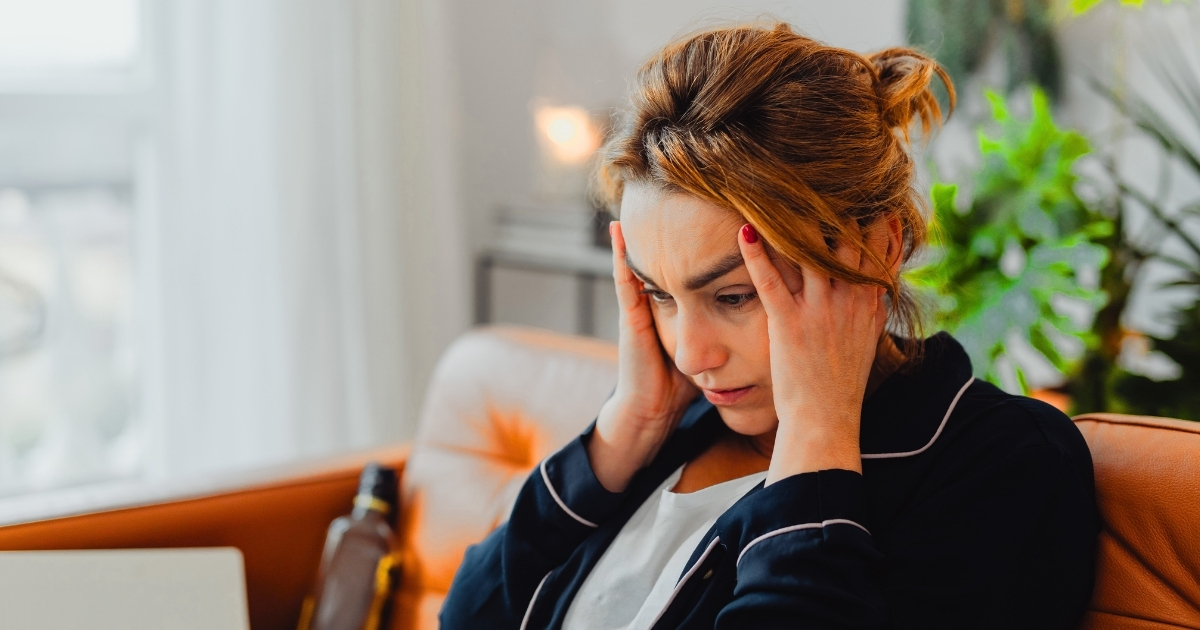
Stress isn’t just about feeling busy or having a long to-do list; it’s your mind and body’s natural way of telling you that things are getting a bit too heavy to carry alone. The commonly recognized symptoms of stress, like tension headaches or fatigue, can be easy to notice, but emotional indicators can be equally revealing. A sudden increase in irritability, mood swings, or feelings of being under pressure may also signal stress.
Types of stress
Understanding the three kinds of stress, acute stress, chronic stress, and episodic acute stress, can illuminate how we respond to life’s challenges.
- Acute Stress: Acute stress is often characterized by a short-term reaction to immediate pressures, such as meeting a tight deadline or preparing for an important presentation. This form of stress can be beneficial, heightening focus and energy.
- Chronic Stress: Chronic stress emerges from long-term pressures, such as financial difficulties or ongoing workplace strife. This persistent strain can erode mental and physical health, leading to serious conditions like anxiety or heart disease.
- Episodic Acute Stress: Episodic acute stress involves repeated bouts of acute stress, often experienced by those prone to anxiety or struggling to manage life’s demands.
Physical Symptoms of Stress
Stress physical symptoms that often go unnoticed until they escalate. Chronic stress can lead to headaches, muscle pain, and fatigue, which many attribute to a hectic lifestyle rather than underlying psychological strain. The body can react in more subtle ways; gastrointestinal disturbances such as bloating or irritable bowel syndrome frequently stem from stress, highlighting how our mental state intricately influences bodily functions.
Chronic Stress Symptoms
Chronic stress can also affect skin health. Conditions like eczema or psoriasis can flare up under pressure, serving as a visible reminder of internal turmoil. The body’s immune response can weaken, making individuals more susceptible to illnesses an often-overlooked consequence of chronic stress.
Signs of Stress
Many people experience tension in their muscles, particularly in the neck and shoulders, which can lead to chronic pain if left unaddressed. Such physical symptoms highlight the body’s response to psychological strain, emphasizing the importance of recognizing these cues early on.
Effect of Stress on Body
The effect of stress on the body can extend to digestive issues, such as stomach cramps or irritable bowel syndrome. These symptoms serve as a reminder that emotional health is intricately tied to physical well-being. Increased heart rate and elevated blood pressure can become chronic challenges, putting individuals at a greater risk for cardiovascular diseases.
Stress Symptoms in Women

Hormonal fluctuations in women can amplify the physical effects of stress, particularly during key life stages such as menstruation, pregnancy, or menopause. Women may experience signs of stress through emotional eating or changes in sleep patterns. Stress can worsen premenstrual syndrome (PMS) symptoms, leading to anxiety and mood swings, while research suggests that it may also worsen symptoms like hot flashes and insomnia during menopause.
This interplay between stress and hormonal changes highlights the importance of stress management approaches that address women’s unique physiological needs.
Psychological symptoms of Stress
- Anxiety
- Irritability
- Mood Swings
- Difficulty Concentrating
- Feeling Overwhelmed
- Social Withdrawal
- Restlessness
- Changes in Sleep Patterns
- Panic Attacks
Behavioral symptoms of Stress
- Stress can heighten the urge to smoke, with many turning to nicotine as a quick relief. This can create a cycle of reliance that exacerbates stress over time.
- Increased isolation from friends and family
- Heightened irritability or mood swings
- Changes in sleep patterns, such as insomnia or hypersomnia
- Escalated substance use, including alcohol use disorder
- Engaging in compulsive behaviors like gambling disorder
- Overeating or the onset of an eating disorder
- Difficulty concentrating or making decisions
- A decline in personal hygiene and self-care
What causes stress?
Environmental factors, such as noise pollution, overcrowded spaces, or even a chaotic home life, can significantly contribute to feelings of stress. Societal pressures like economic insecurity or the relentless pursuit of success can leave individuals feeling overwhelmed and inadequate.
How Our Thoughts Affect Stress
Cognitive distortions, such as catastrophizing or all-or-nothing thinking, can amplify our perception of stressors. When we perceive challenges as insurmountable, we trigger biological responses that keep us in a state of heightened alertness. Despite its negative reputation, stress can sometimes be a double-edged sword. While it can motivate us to meet deadlines or overcome obstacles, chronic stress can lead to significant health issues.
Life Changes and Stress
Getting a new job or losing a job can create a lot of pressure as one navigates uncertainties in career paths. This may lead to anxiety about meeting expectations or financial stability. Events like marriage, separation, or divorce can create emotional turmoil, as individuals confront the evolving dynamics of love and commitment. Major milestones like having a baby carry their own stressors, new parents rapidly adapt to altered responsibilities, sleepless nights, and the immense joy balanced against the pressures of parenthood.
What causes stress in the body
Stress in the body is caused by the perception of threats, both real and imagined. This perception can stem from various sources, such as financial pressures, relationship conflicts, or chronic health issues.
Causes of Stress at Home
When examining the causes of stress at home, it’s essential to recognize that our personal environments deeply influence emotional well-being. Household dynamics, such as family conflicts or caregiving responsibilities, can create a breeding ground for anxiety and tension.
What are the complications of stress?
Prolonged exposure to stress hormones, such as cortisol, can disrupt metabolic processes, increasing the risk of obesity and diabetes. The body’s immune response may become weakened, leaving individuals more susceptible to infections and illnesses. Interestingly, this immune dysfunction can manifest not just physically but also mentally, making stress a contributing factor in depressive disorders and anxiety-related conditions.
Stress can impact cardiovascular health. The consistent strain on the heart caused by chronic stress can elevate blood pressure and lead to conditions like hypertension and heart disease. As the immune system falters, the body’s ability to combat illness diminishes, creating a vicious cycle of stress and health deterioration.
The digestive system can also be affected, causing symptoms such as irritable bowel syndrome (IBS) and chronic heartburn. Stress can lead to the overproduction of stomach acid and upset the delicate balance of gut bacteria, causing discomfort and disrupting regular digestive processes. The reproductive system is not spared; stress can lead to irregular menstrual cycles in women and erectile dysfunction in men, highlighting its far-reaching impacts.
Stress Management Techniques
To alleviate stress effectively, integrating mindfulness into your daily routine can be transformative. Mindfulness encourages you to focus on the present moment, allowing thoughts of worry to fade. By practicing techniques like deep breathing or body scans, you enhance your awareness of physical sensations, helping you identify stress triggers. These simple yet powerful methods can be done anywhere, making them convenient tools for stress management.
Physical activity releases endorphins but also serves as a natural remedy for stress reduction. Whether it’s a brisk walk, a yoga session, or a dance class, finding movement you enjoy can significantly improve your mood.
How Do You Reduce Stress
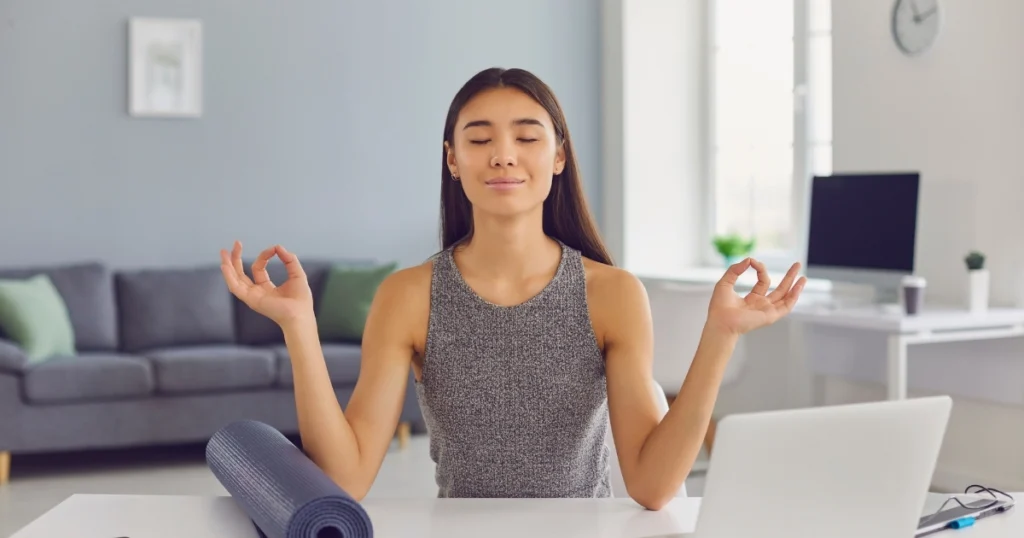
Simple practices like deep breathing or meditation, even if just for a few minutes a day, can cultivate a sense of calm and clarity. By focusing on the here and now, you can break the cycle of racing thoughts that often contribute to stress.
Another powerful strategy is to cultivate social connections. Surrounding yourself with supportive friends or family can foster a sense of belonging and ease feelings of isolation. Sharing your thoughts and concerns can lead to new insights and solutions, often lightening your emotional load.
How to Relieve Stress for a Woman
Finding ways to relieve stress is important for women’s well-being. Simply taking a walk in a local park or breathing in fresh air among trees can significantly lower cortisol levels, promoting a calming effect. Engaging with the natural world offers a break from technology and daily pressures.
Activities like painting, writing, or even cooking can serve as powerful outlets. These creative pursuits not only distract the mind from stressors but also foster a sense of accomplishment and joy.
How is stress diagnosed?
Diagnosing stress is a nuanced process that extends beyond simply asking about symptoms. Mental health professionals often employ a combination of clinical interviews, standardized questionnaires, and observational assessments to assess not just the intensity of stress, but its sources and individual impact. Tools like the Perceived Stress Scale (PSS) help quantify stress levels, while open-ended discussions allow patients to articulate their experiences, shedding light on unique causes and coping mechanisms.
This involves examining its physical manifestations. Chronic stress can lead to a range of health issues, from headaches to gastrointestinal problems. By considering both psychological and physiological symptoms, healthcare providers can develop a comprehensive understanding of how stress affects an individual. This approach not only aids in more accurate diagnosis but also helps guide intervention strategies that address the root causes of stress.
Conclusion
Recognizing the symptoms of stress is essential for effectively managing its impact on your life. Common indicators such as irritability, fatigue, and difficulty concentrating can signal that your body and mind are under stress. Physical manifestations like headaches or muscle tension may also arise, warning you to take action. By being aware of these symptoms, you can implement strategies to alleviate stress and improve your overall health.
FAQS
How to Recover From Stress?
Recovering from stress starts with giving your body and mind time to reset. Get enough sleep, eat balanced meals, stay physically active, and take short breaks during the day. Spending time with supportive friends or family and doing activities you enjoy can also help lower stress. If stress continues for several weeks or starts affecting your daily life, consider talking with a healthcare professional or mental health provider for additional support.
What foods can reduce stress?
Eating a balanced diet with foods rich in magnesium, omega-3 fatty acids, and complex carbohydrates may support your body during stressful periods. Good options include salmon, leafy greens, nuts and seeds, oats, berries, yogurt, and other whole foods. Staying hydrated and limiting excess caffeine, added sugar, and highly processed foods can also support your overall well-being and energy levels.
What drink calms stress?
Herbal teas like chamomile or peppermint tea may help you feel more relaxed during stressful moments. Warm milk or caffeine-free drinks can also be calming, especially as part of a relaxing evening routine. If you are sensitive to caffeine, limiting coffee, energy drinks, and other caffeinated beverages may help prevent feelings of restlessness or increased anxiety.
Read More: Morning Habits for Weight Loss