

Did you know that almost 50% of athletes experience poor muscle recovery because of inadequate nutrition? This statistic underscores how crucial it is to select the best foods for muscle recovery.
Proper nutrition plays a pivotal role in repairing muscles and restoring energy levels post-workout. Essential nutrients like proteins, carbohydrates, and healthy fats are key players in this process.
For instance, proteins are vital for muscle repair, while carbs replenish glycogen stores. Healthy fats support overall recovery by reducing inflammation.
In this article, we’ll delve into the essential nutrients that fuel recovery and explore the best foods to incorporate into your diet. By understanding your nutritional needs, you can significantly improve your muscle repair and optimize your training outcomes. Get ready to bounce back stronger than ever!
Best Foods for Muscle Recovery: What to Eat
To support optimal muscle recovery, it’s essential to include a combination of protein, carbohydrates, and healthy fats in your post-workout meals.
When you exercise, your muscles experience mechanical tension and stress, which can lead to minor damage in muscle cells. This process is vital for enhancing muscle size and strength, making it crucial to replenish your body after workouts. Each macronutrient plays a unique role in facilitating muscle recovery.
Protein: Rich in amino acids, protein is fundamental for repairing and rebuilding muscle tissue. Excellent sources include animal products like beef, chicken, fish, and dairy. Plant options such as beans, nuts, and seeds also provide beneficial protein.
Carbohydrates: Serving as the body’s primary energy source, carbohydrates are abundant in whole grains, fruits, and vegetables. After consumption, your body converts carbs into glucose for energy. When in excess, these carbohydrates are stored as glycogen in muscle cells. Intense exercise can deplete these glycogen reserves, leading to muscle fatigue. Consuming carbohydrates post-workout can help restore energy levels, preparing you for future training sessions.
Healthy Fats: Unsaturated fats, particularly those found in coldwater fish, nuts, and seeds, are rich in omega-3 fatty acids, which can mitigate inflammation. This is particularly beneficial since intense workouts induce temporary inflammation as your body adapts to higher activity levels.
Incorporating these macronutrients into your diet will ensure you have the best foods for muscle recovery, enhancing your overall performance and recovery time.
Top Foods for Muscle Recovery
When it comes to fostering muscle recovery, optimal foods should offer a blend of lean proteins, carbohydrates, and healthy fats, alongside essential electrolytes, minerals, and antioxidants. Whole foods are generally preferable to processed options, particularly those lower in added sugars and saturated fats. Here are a few excellent choices, many of which can be easily blended into smoothies or snacked on throughout the day.

1. Pineapple
Pineapple is an excellent source of carbohydrates, making it effective for replenishing muscle glycogen stores. This tropical fruit also contains bromelain, an enzyme recognized for its anti-inflammatory benefits. Studies indicate that bromelain can help alleviate muscle soreness and inflammation after strenuous workouts, potentially accelerating recovery.
Moreover, pineapple is rich in vitamin C, an antioxidant that plays a crucial role in combating oxidative stress and muscle damage, further aiding in the recovery process.
2. Blueberries
Blueberries rank among the most nutritious fruits available. Packed with antioxidants and essential nutrients, they can aid in muscle recovery and contribute to your overall health. Key components include:
- Vitamin C
- Vitamin K
- Manganese
- Fiber
Manganese is a critical mineral that shields against cellular damage and supports energy production in the body. The dark hue of blueberries is attributed to anthocyanins, powerful antioxidants that also possess anti-inflammatory properties, potentially lowering the risk of heart disease and diabetes.
3. Eggs
Eggs serve as a convenient and efficient source of high-quality protein, providing the necessary amino acids for recovery. They boast the highest protein digestibility-corrected amino acid score among protein sources. This score reflects the quality of the amino acid profile and how effectively your body can utilize it.
Additionally, eggs are rich in leucine, an amino acid vital for muscle development. Each egg contains approximately 500 mg of leucine, contributing significantly to the recommended intake of 700 mg to 3,000 mg for optimal muscle protein synthesis.
4. Chia Seeds
Chia seeds present a variety of health advantages, including lowering cholesterol levels and enhancing digestive health. They can also support post-workout recovery. Rich in vitamins, minerals, and antioxidants, they help with recovery after exercise. Notable nutrients include:
- Omega-3 fatty acids
- Nine essential amino acids
- Vitamins B1, B2, and niacin
- Magnesium
- Phosphorus
- Calcium
- Potassium
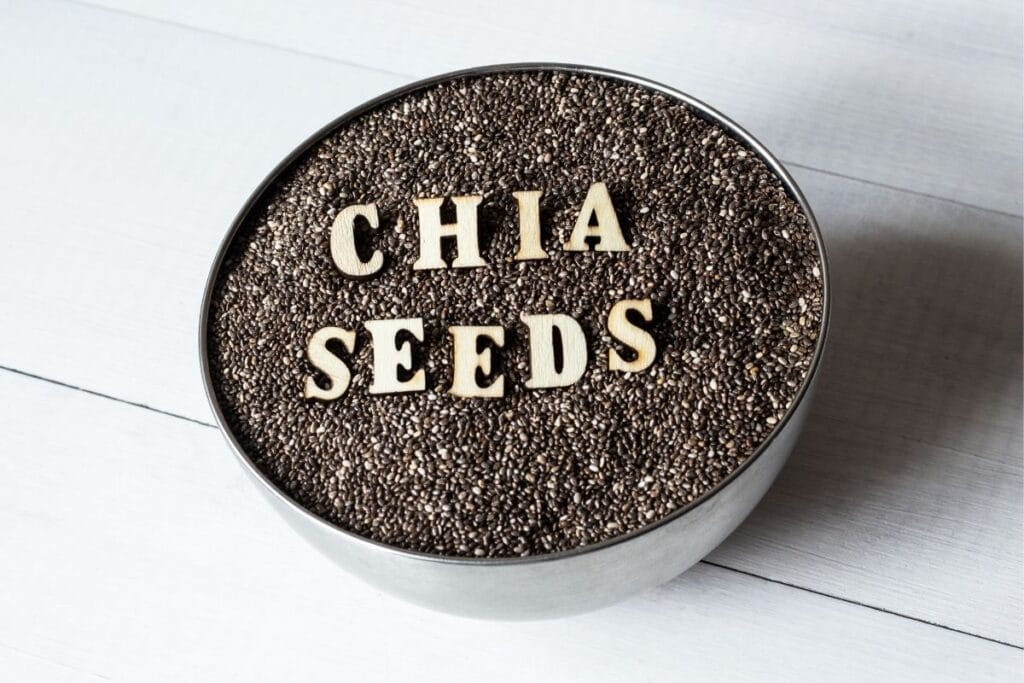
Chia seeds are also an excellent source of protein and fiber, helping to promote a feeling of fullness. Consider adding 1 to 2 tablespoons to your water, smoothies, or oatmeal for a nutritious boost.
5. Watermelon
Watermelon is an excellent food for muscle recovery, potentially alleviating fatigue and soreness following exercise. It contains L-citrulline, an amino acid that aids in the production of nitric oxide. This molecule serves to dilate blood vessels, thereby enhancing blood circulation to your muscles. Some studies indicate that watermelon can facilitate a decrease in muscle soreness post-workout and may even promote muscle growth.
Watermelon is a great source of key electrolytes and minerals, especially potassium and magnesium. These nutrients are important for good muscle function, and low levels can cause fatigue. To enhance recovery, especially after intense exercise or in hot weather, it’s important to replenish these electrolytes.
6. Cottage Cheese
Cottage cheese is a highly nutritious food for muscle recovery, abundant in casein protein. Alongside whey, casein is one of the primary proteins present in dairy products like cheese and milk, both of which are considered superior protein sources. They encompass all the necessary amino acids and are easily digestible.
If you engage in evening workouts, consuming cottage cheese before bedtime may enhance your recovery by the morning. A 2020 research review suggests that a pre-sleep intake of at least 40 grams of casein might help manage the body’s inflammatory responses, thereby accelerating muscle repair.
7. Oatmeal
Enjoying a bowl of oatmeal is a beneficial way to restore depleted carbohydrate stores, making it a potent food for muscle recovery. Whole-grain oats digest gradually, providing a steady energy source for your muscles after exercise. They also offer a plant-based protein content of approximately 5 grams per ½-cup dry serving.
Moreover, oats contain an antioxidant known as avenanthramide, which preliminary studies suggest may help modulate the body’s inflammatory responses during eccentric muscle contractions — these are the types of contractions that typically lead to greater soreness compared to concentric contractions.
8. Spinach
Often hailed as a superfood, spinach is packed with essential vitamins, minerals, and phytonutrients, making it an excellent choice for muscle recovery after intense workouts. Its rich content of vitamin C, magnesium, and potassium contributes to its anti-inflammatory properties.
Recent studies indicate that a compound found in spinach, known as ecdysterone, exhibits effects similar to steroids in humans. Adults who participated in strength training while supplementing with spinach extract experienced greater gains in muscle mass and strength compared to those who focused solely on their workouts.
9. Bananas
Bananas are an ideal post-exercise snack, providing a quick source of carbohydrates. They are easy on the stomach and high in simple sugars, potassium, and magnesium, making them effective for replenishing lost glycogen and electrolytes.
Moreover, bananas contain phytonutrients that may help reduce inflammation. A 2018 study revealed that bananas were more effective than sugary drinks in alleviating inflammation following strenuous exercise, highlighting their value among foods for muscle recovery.
10. Tart Cherry Juice
While not as commonly consumed as orange or pomegranate juice, tart cherry juice is a fantastic option for post-workout recovery. It offers a concentrated source of polyphenols that helps counteract oxidative stress and reduce inflammation. Incorporating this juice could provide relief for sore muscles and facilitate quicker recovery for athletes.

Recent findings suggest that regularly consuming tart cherry juice is most beneficial, rather than just after workouts. The compounds present in the juice may offer protective benefits for muscles, helping to prevent damage rather than merely aiding in repair.
11. Mackerel
Mackerel, along with other fatty fish from cold waters, stands out as an excellent source of omega-3 fatty acids. These beneficial fats play a vital role in diminishing inflammation across your body and aid in muscle recovery post-exercise.
In a research study spanning four weeks, scientists explored the effects of omega-3 supplements on muscle damage in a group of 14 young men. Those who received omega-3 reported reduced muscle soreness and exhibited fewer inflammation markers compared to those in the placebo group. These supplements offer 3 grams of omega-3s, equivalent to a 4-ounce portion of Atlantic mackerel, making them ideal foods for muscle recovery.
12. Chocolate Milk
Chocolate milk serves as an ideal, convenient choice for post-workout recovery. Its balanced mix of carbohydrates and high-quality protein effectively replenishes glycogen stores in your muscles while providing a quick source of amino acids.
Additionally, milk is rich in essential minerals, particularly calcium, which plays a crucial role in muscle contractions and helps prevent muscle loss. While more research is needed, a thorough review suggests that chocolate milk could be more effective than sports drinks in improving recovery indicators post-exercise, solidifying its place as one of the top foods for muscle recovery.
13. Starchy Vegetables
During intense exercise, your muscles use up glycogen, the stored version of glucose. Restoring glycogen levels is crucial for peak athletic performance, especially for those engaged in strenuous physical activities.
To facilitate muscle recovery, it’s important to consume foods rich in carbohydrates after a workout. Starchy vegetables, such as sweet potatoes, butternut squash, and regular potatoes, are excellent options for replenishing glycogen stores and aiding in muscle recovery.
14. Fatty Fish
Fatty fish are outstanding food options for muscle recovery, packed with essential nutrients that your body requires.
These types of fish are rich in bioavailable protein, enabling your body to efficiently absorb and utilize the protein they provide.
Additionally, fatty fish are a great source of omega-3 fatty acids, which may help alleviate delayed-onset muscle soreness (DOMS), although research findings on this effect are somewhat varied.
Common examples of fatty fish include:
- Sardines
- Salmon
- Trout
Health experts typically recommend consuming 2 to 3 servings of fatty fish each week for optimal health benefits.
You can conveniently meet this recommendation by enjoying a serving of salmon or considering an omega-3 supplement as one of your go-to foods for muscle recovery.
Conclusion
In summary, adequate nutrition plays a vital role in successful muscle recovery. Prioritizing foods that are high in protein, carbohydrates, and possess anti-inflammatory qualities not only supports recovery but can also enhance your performance in future workouts. A balanced diet, complemented by sufficient hydration, promotes a comprehensive recovery strategy that enhances both your physical and mental health. It’s important to maintain a consistent approach to your dietary choices, so consider incorporating these foods for muscle recovery into your regular post-exercise meals. Begin today to nourish your body effectively and enjoy the advantages of optimal recovery.